 Indonesia
 English
 Français
 Deutsch
 Русский
 Español
 Português
 عربي
عربي 日语
日语 한국인
한국인 Melayu
 Tiếng Việt
 বাংলা
বাংলা 中文
中文
apa yang sedang Anda cari
?
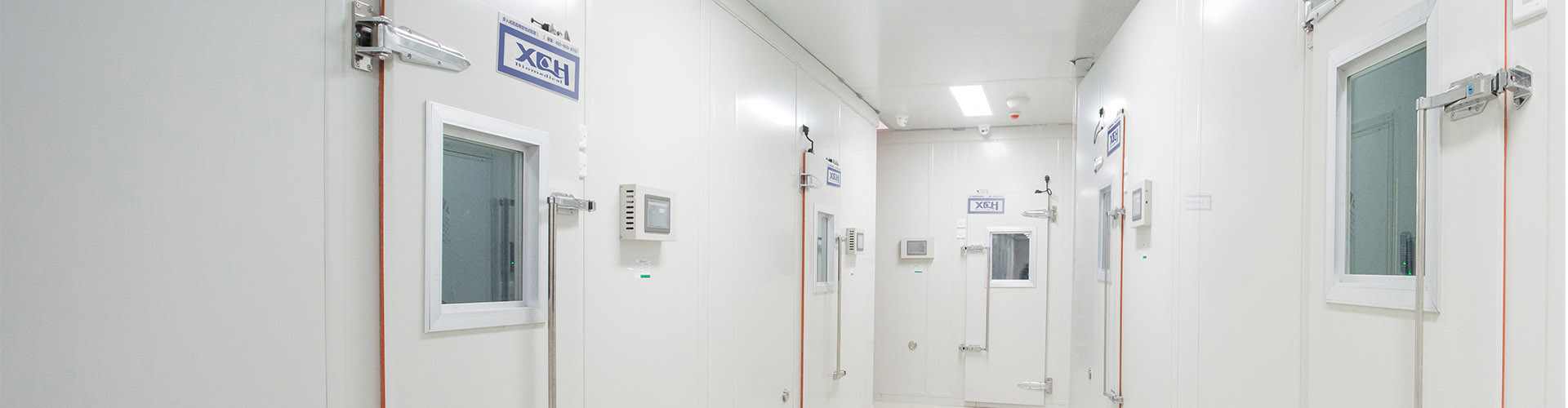
Bagi industri yang diatur seperti farmasi, bioteknologi, dan ilmu material, kondisi lingkungan yang konsisten bukanlah pilihan—melainkan suatu keharusan. ruang stabilitas adalah instrumen yang dirancang dengan presisi untuk mempertahankan tingkat suhu dan kelembapan tertentu dalam jangka waktu yang lama, memastikan bahwa produk memenuhi standar kualitas dan keamanan.
Ruang stabilitas (juga disebut ruang uji stabilitas Ruang tertutup (atau ruang lingkungan terkontrol) adalah ruang tertutup rapat yang mengontrol suhu, kelembapan, dan terkadang paparan cahaya untuk mensimulasikan kondisi penyimpanan di dunia nyata. Ruang ini digunakan untuk:
Berbeda dengan inkubator standar, ruang stabilitas dibangun untuk memenuhi standar peraturan yang ketat, termasuk ICH Q1A, FDA 21 CFR Bagian 11, Dan Persyaratan GMP.
Jika Anda memproduksi atau menguji produk farmasiBaik itu alat kesehatan, kosmetik, atau perangkat medis, pengujian stabilitas diwajibkan oleh hukum. Badan pengatur (FDA, EMA, WHO) mewajibkan bukti terdokumentasi bahwa produk tetap stabil sepanjang masa simpannya.
Ketidakstabilan dapat menyebabkan degradasi produk, pengobatan yang tidak efektif, atau bahkan bahaya keselamatan. Ruang uji stabilitas membantu Anda mengidentifikasi masalah sebelum produk sampai ke pasien atau pelanggan.
Deteksi dini ketidakstabilan mencegah penarikan produk yang mahal dan pemborosan batch produksi. Investasi pada ruang uji stabilitas akan terbayar dengan sendirinya melalui peningkatan kontrol kualitas.
Bagi laboratorium pengujian kontrak, memiliki ruang stabilitas bersertifikasi memperluas penawaran layanan Anda dan menarik lebih banyak klien di industri yang teregulasi.
| Jenis | Terbaik untuk | Kapasitas |
|---|---|---|
| Ruang Jangkauan | Produksi dalam jumlah kecil, laboratorium farmasi | 100-2000 L |
| Ruang Sidang Tanpa Janji Temu | Pengujian skala besar, otomotif/elektronik | 5-50 m³ |
| Ruang Stabilitas Foto | Produk peka cahaya | Spesialisasi |
| Ruang Pendingin | Penyimpanan suhu rendah | -70°C hingga +60°C |
Saat memilih ruang uji stabilitas, pertimbangkan hal-hal berikut:
Baik Anda produsen farmasi, laboratorium pengujian kontrak, atau lembaga penelitian, sebuah ruang stabilitas Pengujian stabilitas bersertifikasi merupakan investasi penting untuk memastikan kualitas produk dan kepatuhan terhadap peraturan. Dengan meningkatnya penekanan global pada keamanan produk, memiliki kemampuan pengujian stabilitas bersertifikasi bukan lagi pilihan—melainkan kebutuhan kompetitif.
Bacaan yang Direkomendasikan:





 IPv6 DIDUKUNG JARINGAN